Is a Flutter app as fast as a purely native application (Swift/Kotlin)?
Yes. Flutter doesn't communicate with native components through a "bridge" like React Native — it compiles directly to machine code (ARM). The resulting animation smoothness and UI responsiveness are indistinguishable from a purely native app for the end user, even in graphically demanding interfaces. In practice, that means a consistent 60/120 fps without compromise.
How does app updating work when a new version of iOS or Android is released?
Flutter largely eliminates these concerns — the app logic and UI code are shared and platform-independent. When a new version of iOS or Android is released, a single codebase update is sufficient in most cases, and a new version can be submitted for both platforms at once. For significant OS changes (such as new permissions or system APIs), the Flutter team typically responds within days. You handle the adaptation once — not twice for each platform.
Can Flutter access phone hardware (camera, Bluetooth, NFC)?
Yes, and without compromise. Flutter accesses hardware through native plugins — whether that's the camera, GPS, Bluetooth, NFC, or biometrics. Apple Pay and Google Pay integration is a standard part of our offering. If a plugin doesn't exist for your device or peripheral, we'll write one from scratch — we have extensive experience with this, including external hardware communication via BLE.
What if we want to expand the app with a web version in the future?
That's one of Flutter's major advantages. The shared codebase can be adapted into a web application with relatively little effort — typically around 70–80% of the code is reused. A web version is particularly well-suited for internal tools, dashboards, or progressive web apps (PWAs). For public-facing websites where SEO is a priority, we recommend a hybrid approach — we're happy to walk you through the options.
How long does App Store and Google Play approval take?
Google Play typically approves apps within 48 hours, and the Apple App Store within 3–5 business days. Times may vary for first-time submissions or significant changes to app behaviour. We'll guide you through the entire process — from preparing store listings and screenshots to the final submission.
Is Flutter app development cheaper than building native apps for iOS and Android separately?
Yes, significantly. With purely native development, you're paying for two separate teams — one writing Swift for iOS, another writing Kotlin for Android. With Flutter, a single shared codebase covers both platforms. In practice, that translates to 30–50% savings on both development and ongoing maintenance costs. Time-to-market is shorter too, since features are implemented once, not twice. The investment in a Flutter app pays off faster — and every additional platform (web, desktop) becomes just another step, not an entirely new project.
Netglade
50+
projects
11+
years of experience
2 mil
daily active users
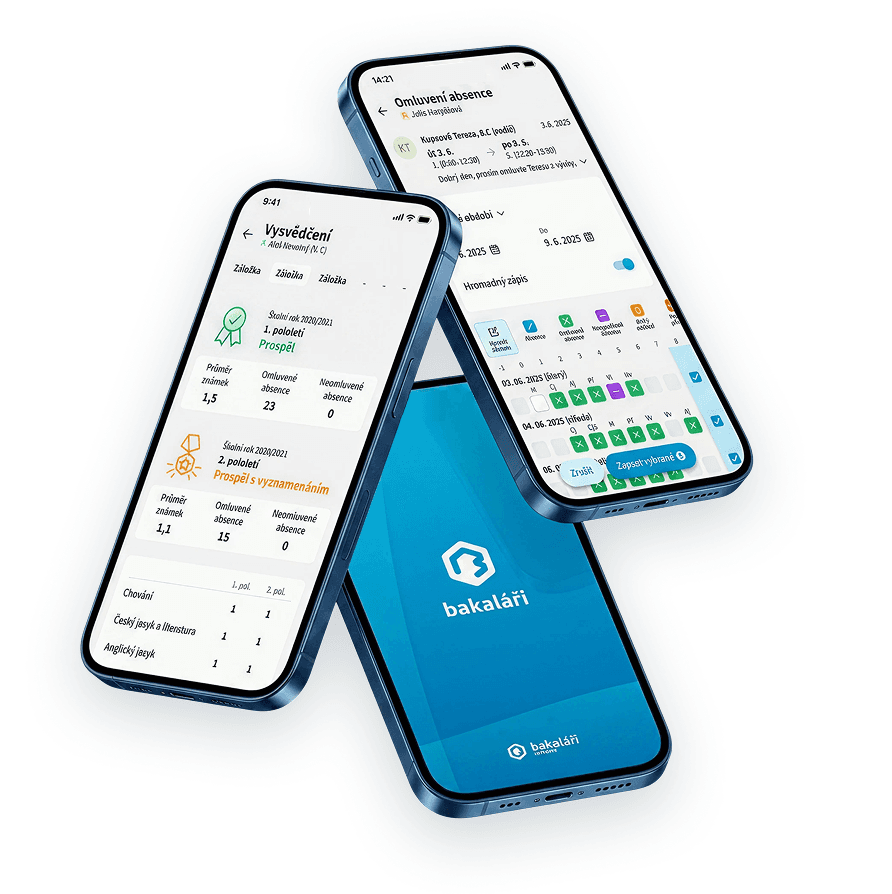
Cost Efficiency
Why pay for the same app twice? By leveraging a unified codebase, you eliminate the need for separate teams, drastically slashing both your initial investment and long-term maintenance overhead.
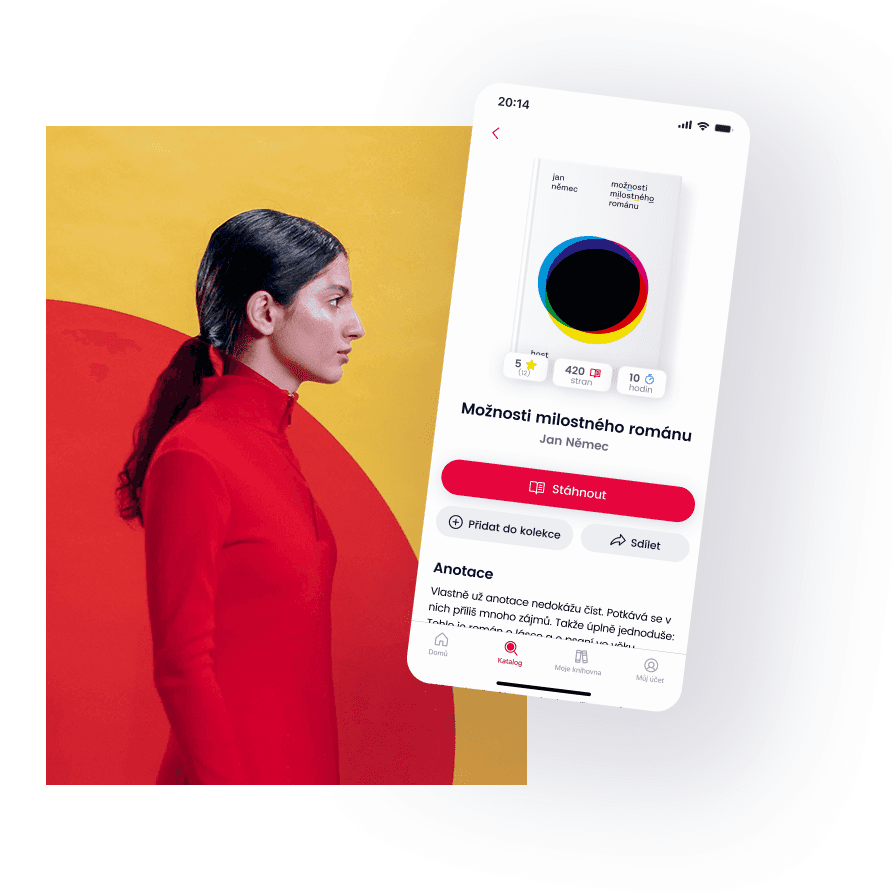
Cross-Platform Development
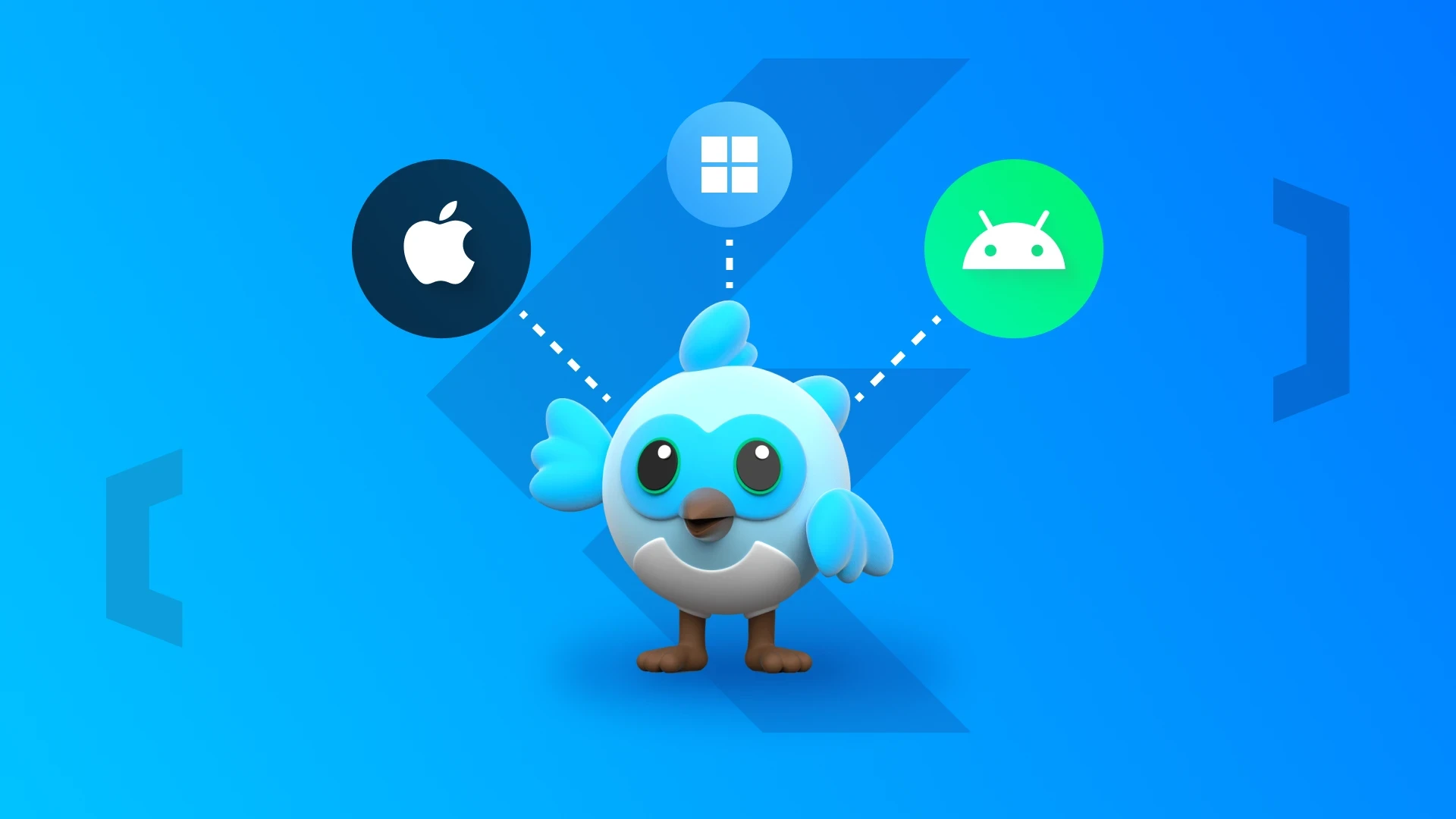
Launch on iOS and Android simultaneously with zero compromises. Flutter ensures high-velocity performance and an identical user experience across all devices without the need for technical trade-offs between systems.
Great performance
Apps built in Flutter achieve performance similar to that of native apps. This is due to Dart's Ahead-of-Time (AOT) compilation and an efficient rendering engine.
Customizable widgets
Flutter has highly customizable widgets with an aesthetically pleasing design. Most of them are adjustable to different screen sizes and platforms.
Hot Reload
Hot reload is a feature that lets programmers see changes in real-time without restarting. This feature makes development faster and more productive, saving time and effort.
Healthy community
Flutter's the go-to cross-platform framework right now — there are over half a million Flutter apps on Google Play. 93% of developers love it, and even beginners quickly discover why.